
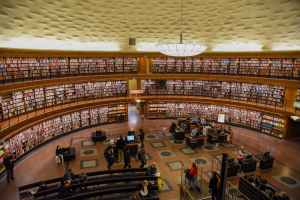
Which is the best e-gaming venue for hosting events in DMCC?
Discover the best e-gaming venue for hosting events in DMCC.
Join Bizdaddy and create unforgettable gaming experiences for players and spectators alike. 🏟️🎮
Discover the best e-gaming venue for hosting events in DMCC.
Join Bizdaddy and create unforgettable gaming experiences for players and spectators alike. 🏟️🎮

Trust the 🌟 trusted white label crypto exchange platforms recommended by Bizdaddy. Your success is our priority! 🚀

💼 Benefit from the services provided by business setup consultants in Kizad. Bizdaddy is your reliable partner! 🤝 #BusinessSetup #Consulting
#BIZDADDY

Securely Buy USDT Using AED To securely buy USDT (Tether) using AED (United Arab Emirates Dirham), you should follow a series of steps and best

AED to USDT In the vibrant financial hub of Dubai, where the cryptocurrency market is gaining momentum, businesses engaging in AED to USDT transactions need

Explore renowned e-gaming content creators in Shams, curated by Bizdaddy. Follow their exciting journeys and enjoy their captivating content! 🎥🎮

🌐 Explore the remarkable features that define white label crypto exchanges in Dubai. Elevate your venture with Bizdaddy’s expertise! 🌟 #CryptoExchangeSetup

What is the process of obtaining import/export permits for Rakez businesses? 📦🛃 Bizdaddy facilitates import/export permits for Rakez businesses.

What is the role of Ras Al Khaimah Economic Zone (Rakez) in business setup? 🏢🗺️ Understand Rakez’s role with Bizdaddy in business setup

Perform KYC effectively on your P2P crypto exchange with Bizdaddy’s guidance. Ensure compliance while onboarding users. 📋🔍 #KYCProcess #P2PExchange

How to get help with your freezone license in Umm Al Quwain in 2025? Introduction Getting a free zone license in Umm Al Quwain (UAQFTZ)
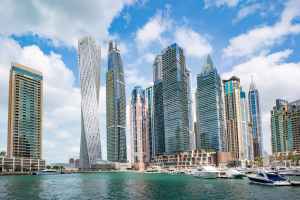
What are the visa requirements for working in Dubai Internet City? Dubai Internet City (DIC) symbolizes a futuristic climate and thriving technological ecosystem. If you

👥🤝 Hiring employees in Dubai Free Zone made simple! Follow our expert tips and ensure a smooth recruitment process. #EmployeeHiring #DubaiFreeZone.

USDT OTC Trading and Regular TradingOver-the-counter (OTC) trading of Tether (USDT) differs significantly from regular cryptocurrency exchange trading in several key aspects: In OTC trading,

Find vibrant e-gaming communities in Meydan that share your passion. 🌐🎮 Connect with like-minded gamers and experience the joy of gaming together. #Bizdaddy
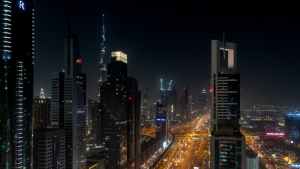
Crypto Account Essentials: Your Guide to Opening a Crypto Account in Dubai Dubai has emerged as a global hub for innovation and finance, and cryptocurrency

What are the best places to source high-quality T-shirts in the UAE? Dubai, the land of towering skyscrapers and bustling marketplaces, is a haven for

Secure business compliance in Ajman Free Zone: Stay updated on regulations, obtain necessary licenses, maintain records, and adhere to legal requirements.

📊 Explore business opportunities! 🏢 Discover the wide array of activities allowed in Kizad. Bizdaddy ensures your success! #business activities #Bizdaddy

Set Up A Coworking Space In UAE with BizDaddy! We help you for location selection, structure, management, marketing, and more.

Trade altcoins easily on Dubai exchange: Buy, sell & manage cryptocurrency portfolio with streamlined tools. Explore now! 🏢📈💱