
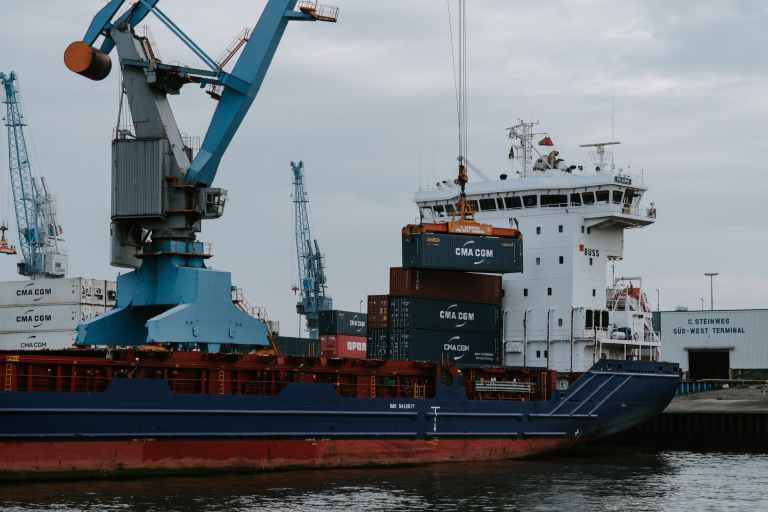
Which customs clearance procedures are involved in DMCC imports and exports?
Navigating the world of international trade involves a complex web of regulations and procedures, and customs clearance stands at the heart of this process. For businesses operating within the Dubai Multi Commodities Centre (DMCC), understanding the customs clearance procedures for imports and exports is crucial. This article delves into the intricate customs clearance requirements in DMCC and sheds light on the steps businesses need to take to ensure smooth cross-border trade.
Customs Clearance Procedures for DMCC Imports and Exports:
1. Documentation Preparation:
Importers and exporters need to prepare essential documents such as invoices, packing lists, bills of lading, and certificates of origin.
2. Customs Declaration:
Businesses must accurately declare the goods being imported or exported, including their value, classification, and origin.
3. Duty Calculation:
Customs duties and taxes are calculated based on the declared value and the applicable tariff rates.
4. Risk Assessment:
Customs authorities assess the risk associated with the goods, which can lead to inspections or additional documentation requirements.
5. Pre-clearance Approvals:
Certain goods require pre-clearance approvals from relevant authorities before they can be imported or exported.
6. Goods Inspection:
Customs authorities may conduct physical inspections to verify the accuracy of the declared information.
7. Payment of Duties and Taxes:
Importers are required to pay customs duties and taxes before their goods can be cleared for entry into the country.
8. Release of Goods:
Once duties and taxes are paid and all requirements are met, the customs authorities release the goods for delivery.
9. Electronic Clearance System:
DMCC utilizes an electronic clearance system to streamline the customs clearance process, reducing paperwork and delays.
10. Compliance with Regulations:
Businesses must ensure that their imports and exports comply with regulations related to product safety, labeling, and other standards.
11. Transit Procedures:
For goods transiting through Dubai to other destinations, specific procedures need to be followed to ensure a smooth transition.
12. Post-clearance Audits:
Customs authorities may conduct post-clearance audits to verify the accuracy of customs declarations.
Conclusion:
Customs clearance is a vital aspect of international trade, and adhering to DMCC’s customs clearance procedures is essential for businesses seeking to engage in imports and exports. Navigating these procedures can be complex, but with the right guidance and expertise, companies can ensure compliance and avoid costly delays. BizDaddy, with its comprehensive knowledge of DMCC regulations and business setup, is a trusted partner for businesses seeking assistance in customs clearance and all aspects of international trade.
Recommendation:
For businesses looking to navigate the intricacies of customs clearance within DMCC, Bizdaddy offers valuable expertise and support. Their commitment to ensuring seamless cross-border trade makes them an ideal partner for businesses seeking efficient customs clearance solutions.