
Dubai’s Freehold Property Rule Changes: A New Era for Real Estate Investment
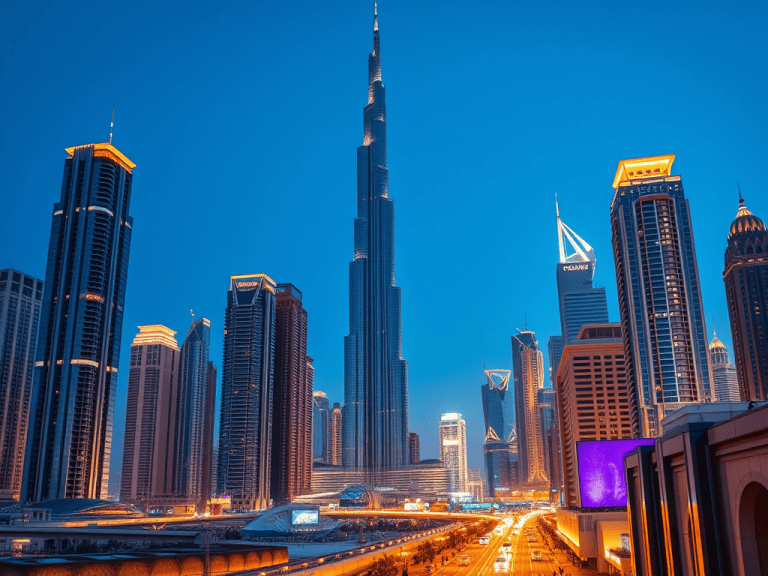
Dubai’s real estate market is experiencing a seismic shift following the recent changes in freehold property regulations. With new opportunities opening up for investors, property developers, and homeowners, the city is witnessing a surge in property transactions, development projects, and price appreciation. These changes are set to redefine the landscape of prime areas such as Sheikh Zayed Road and Al Jaddaf, making them more accessible and lucrative for foreign investors.
The Impact of Freehold Expansion on Prime Areas
The Dubai Land Department (DLD) has initiated a game-changing policy that allows private property owners in key locations to convert their properties from leasehold to freehold. This move primarily impacts Sheikh Zayed Road and Al Jaddaf, where approximately 457 plots are eligible for conversion. Of these, 128 are located on Sheikh Zayed Road and 329 in Al Jaddaf.
This transition is attracting real estate companies and property owners to enter joint development ventures, leveraging the high demand for freehold properties. By enabling foreign investors to own property outright, the new rule is expected to fuel the growth of Dubai’s already thriving real estate sector.
A Surge in Joint Development Agreements
With freehold ownership becoming more accessible, a noticeable trend of joint development agreements between property owners and real estate firms is emerging. According to industry experts, these collaborations present a win-win situation. Developers gain access to prime locations, while property owners can capitalize on the increasing value of their assets.
Real estate consultancies are also stepping in, facilitating strategic partnerships and acting as official sales partners for these newly converted freehold properties. This trend is expected to further enhance investment opportunities and increase market liquidity in Dubai.
Rising Demand for Freehold Off-Plan Properties
The demand for off-plan properties has skyrocketed, particularly in areas transitioning to freehold status. Investors are keen to secure assets in these high-potential zones before prices rise further.
Al Jaddaf, for example, currently sees prices ranging between AED 1,400 and AED 1,600 per square foot. With older buildings being transformed into freehold properties, the area is becoming a prime hotspot for investment. As a result, residential prices in both Sheikh Zayed Road and Al Jaddaf are expected to firm up, yielding significant returns for investors and landowners alike.
Why Freehold Properties Are More Attractive
Compared to leasehold properties, freehold real estate offers a higher sense of security and long-term value. Owners of freehold properties enjoy full control over their assets, without the time constraints associated with leasehold agreements. This flexibility makes freehold properties particularly appealing to international investors and expatriates looking for stable and profitable real estate investments.
With the increasing foreign investor interest, Dubai’s property market is poised to witness sustained growth, ensuring a stable economic boost for the city.

Challenges and Considerations for Property Owners
Despite the numerous advantages, property owners converting their assets to freehold face certain challenges. One of the key concerns is the 30% conversion fee based on the gross floor area valuation of the property. For lower-value properties, this fee may be a financial burden, deterring some owners from taking advantage of the new policy.
To address this issue, experts suggest introducing flexible payment plans or offering targeted discounts for specific property categories. Such measures would ease the transition and encourage more property owners to opt for freehold status.
Market Stability and Future Growth
While the expansion of freehold ownership is expected to drive up demand and influence property price trends, maintaining market stability is crucial. There is a risk that prices in prime locations could rise excessively, potentially limiting access to homeownership for a broader range of buyers.
To counterbalance this, industry stakeholders recommend implementing regulatory measures or developer incentives to ensure sustainable growth. By adopting a strategic approach, Dubai can maintain a balanced and thriving real estate sector that benefits all stakeholders.
A Transformative Phase for Dubai’s Real Estate Market
Dubai’s decision to expand freehold property rights marks a significant milestone in the city’s real estate evolution. By opening up prime areas like Sheikh Zayed Road and Al Jaddaf to foreign investors, the initiative is set to boost property values, attract international buyers, and fuel further economic growth.
For property owners and investors, this is an opportune moment to capitalize on Dubai’s dynamic real estate market. As the city continues to solidify its position as a global real estate hub, the freehold rule changes are likely to usher in a new era of prosperity and development for all stakeholders involved.
With Dubai’s property market evolving at an unprecedented pace, those looking to invest in the city’s future should seize the moment and explore the possibilities that freehold ownership offers.
Setting up a real estate business in Dubai involves several steps, from selecting the right business structure to obtaining the necessary approvals. Here’s a detailed guide:
1. Choose Your Business Activity
Dubai offers various types of real estate businesses, such as:
- Real Estate Brokerage
- Property Management
- Real Estate Development
- Real Estate Investment
2. Select a Business Structure
You can establish your real estate business in:
- Dubai Mainland (regulated by the Dubai Land Department – DLD)
- Free Zones (like Dubai Multi Commodities Centre – DMCC or Dubai South)
Mainland companies can operate across the UAE, while free zone businesses have restrictions but offer benefits like 100% foreign ownership.
3. Meet the Eligibility Criteria
- You must be at least 21 years old.
- For brokerage firms, you must take the Real Estate Regulatory Agency (RERA) exam.
4. Obtain Necessary Licenses
- Trade License: Issued by the Department of Economy and Tourism (DET) for mainland businesses or a relevant free zone authority.
- RERA Approval: Required for brokerage and property management businesses.
- Good Conduct Certificate: Issued by Dubai Police.
- Ejari Registration: To ensure legal leasing of properties.
5. Find an Office Space
For a real estate business, having a physical office is mandatory in Dubai.
6. Register with DLD & RERA
- Get the Broker Card for real estate agents.
- Enroll in the Certified Training for Real Estate Brokers program.
7. Open a Corporate Bank Account
This is crucial for managing transactions and payments efficiently.
8. Market Your Business
Leverage digital marketing, social media, and networking events to attract clients and establish credibility.