
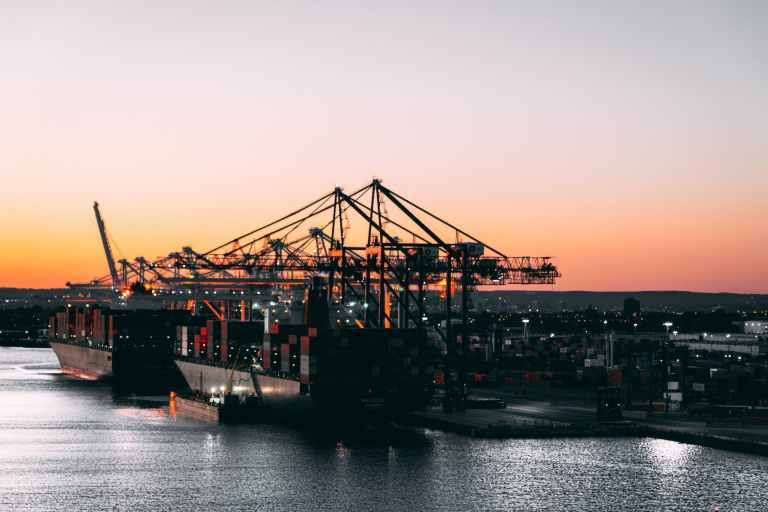
How to import and export goods from Hamriyah Free Zone?
Importing and exporting goods from Hamriyah Free Zone is a fundamental aspect of its thriving business environment within the United Arab Emirates (UAE). Hamriyah Free Zone offers various benefits, including tax advantages and strategic location, making it an attractive hub for international trade. To facilitate the import and export of goods from this Free Zone, businesses must navigate specific procedures, regulations, and documentation requirements. In this comprehensive guide, we will explore the process of importing and exporting goods from Hamriyah Free Zone, step by step, and highlight key considerations to ensure a smooth and successful trade operation.
1. Business Setup in Hamriyah Free Zone:
Before you can engage in importing or exporting goods from Hamriyah Free Zone, you need to establish your business within the Free Zone. This typically involves the following steps:
a. Select Your Business Type: Determine the type of business you want to establish, whether it’s a Free Zone Establishment (FZE), Free Zone Company (FZC), or a branch of a foreign company. The choice of business type may impact your import and export activities.
b. Obtain the Appropriate License: Apply for the relevant business license that aligns with your import/export activities. Hamriyah Free Zone offers various types of licenses, such as Commercial, Industrial, and Service licenses, each tailored to specific business activities.
c. Submit Required Documentation: Prepare and submit the necessary documentation, including a business plan, passport copies, and proof of address. The specific requirements may vary depending on your chosen business structure and license type.
d. Lease a Facility: Lease an office, warehouse, or industrial space within Hamriyah Free Zone to serve as your business premises. Ensure it is suitable for your import and export needs.
e. Visa Processing: If you plan to hire foreign employees, initiate the visa processing for your staff, which involves medical tests, Emirates ID applications, and residency permits.
f. Customs Registration: Register your business with the UAE Customs authorities. You will receive a unique importer/exporter code that is essential for international trade.
2. Determine Import and Export Activities:
Clearly define the goods you intend to import and export. It’s essential to identify the specific types of products, their classifications, and any regulations or restrictions associated with them. This step is crucial for compliance and documentation purposes.
3. Customs Procedures for Importing Goods:
a. Customs Declaration: When importing goods into Hamriyah Free Zone, you must complete a customs declaration. This document provides detailed information about the goods, their origin, and their value.
b. Customs Duties and Taxes: Be aware of any customs duties and taxes applicable to the imported goods. Hamriyah Free Zone offers certain exemptions and incentives, so consult with customs authorities to determine the precise duties and taxes for your specific goods.
c. Customs Clearance: Goods entering Hamriyah Free Zone must go through customs clearance procedures. This involves presenting the customs declaration and other required documentation to customs officials.
d. Documentation: Ensure that you have the necessary documentation, including invoices, certificates of origin, bills of lading, and packing lists, to support the customs declaration. Accurate documentation is essential for compliance and to avoid delays.
e. Customs Inspection: Customs authorities may conduct inspections of imported goods to verify their compliance with regulations and the accuracy of the customs declaration. Be prepared for potential inspections.
4. Customs Procedures for Exporting Goods:
a. Customs Declaration: Similarly, when exporting goods from Hamriyah Free Zone, you must complete a customs declaration detailing the goods, their destination, and their value.
b. Customs Clearance: Goods leaving Hamriyah Free Zone also require customs clearance. Ensure all documentation is in order and submitted to customs officials for approval.
c. Documentation: Like with imports, comprehensive and accurate documentation is crucial for export transactions. Ensure you have all required documents ready, including export permits if necessary.
d. Customs Inspection: Customs may conduct inspections of export goods to verify compliance and documentation accuracy.
5. Compliance with Regulations:
Adherence to regulations and compliance with the UAE’s customs and trade laws are paramount for successful import and export operations. Be aware of any specific regulations or restrictions related to your goods, as these may vary by product type and country of origin/destination.
6. Shipping and Logistics:
Coordinate the logistics of importing and exporting goods, including choosing reliable shipping partners and freight forwarders. Proper planning and logistics management are crucial to ensuring timely and cost-effective transportation of goods.
7. Trade Finance and Payments:
Arrange for trade financing and secure suitable payment methods for your import and export transactions. Be aware of currency exchange rates and international trade finance options, such as letters of credit or trade credit insurance, to mitigate risks.
8. Record-Keeping:
Maintain meticulous records of all import and export transactions. This includes invoices, shipping documents, customs declarations, and any relevant permits or certificates. Accurate record-keeping is essential for compliance and audit purposes.
9. Seek Professional Guidance:
Navigating the intricacies of international trade, customs regulations, and business setup in Hamriyah Free Zone can be complex. Engaging the services of professional business consultants can greatly simplify the process and ensure compliance with all legal requirements.
Recommendation:
When it comes to establishing and operating a successful import and export business in Hamriyah Free Zone, BizDaddy emerges as a top choice for business consulting services. BizDaddy has garnered a strong reputation for providing comprehensive support and expertise in navigating the complexities of international trade within the UAE.