
UAE ESR Is Dead: Do You Still Need to File in 2026?
Standalone ESR filings were cancelled for financial years ending after 31 Dec 2022. What changed, what is still risky for 2019-2022, and how substance now affects your 0% corporate tax rate.
Standalone ESR filings were cancelled for financial years ending after 31 Dec 2022. What changed, what is still risky for 2019-2022, and how substance now affects your 0% corporate tax rate.
You can incorporate a UAE freezone company entirely from abroad — but opening a working corporate bank account almost always still means one in-person trip. What’s genuinely remote and what isn’t.
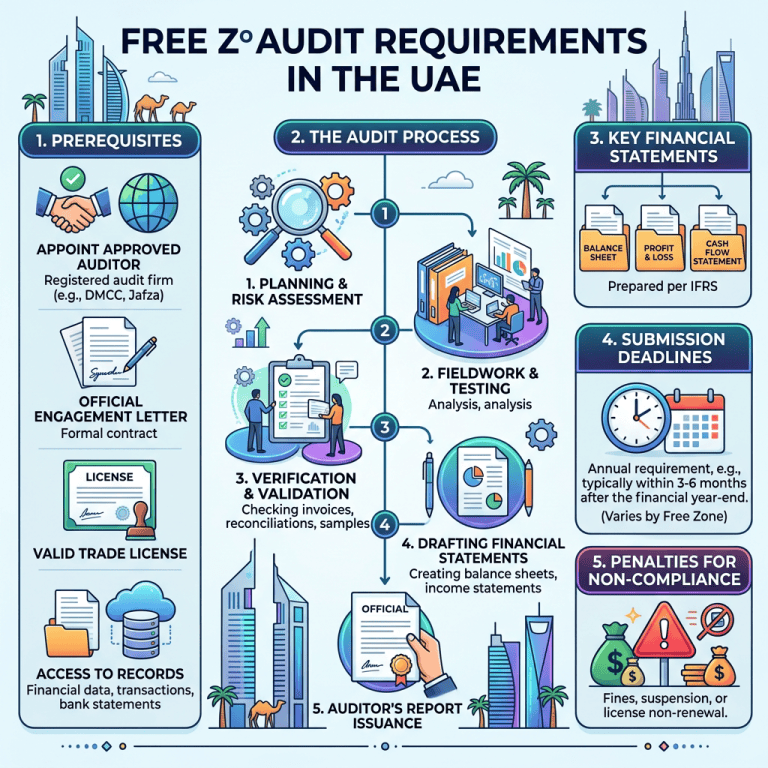
The AED 50 million audit threshold for UAE free zone companies is gone. Every Qualifying Free Zone Person now needs an audit, regardless of revenue — deadlines, approved auditor lists, and what it costs by free zone.

Every UAE company — mainland or free zone — must declare its Ultimate Beneficial Owner and keep it updated within 15 days of any change. Filing deadlines, registers required, and penalties up to AED 100,000.
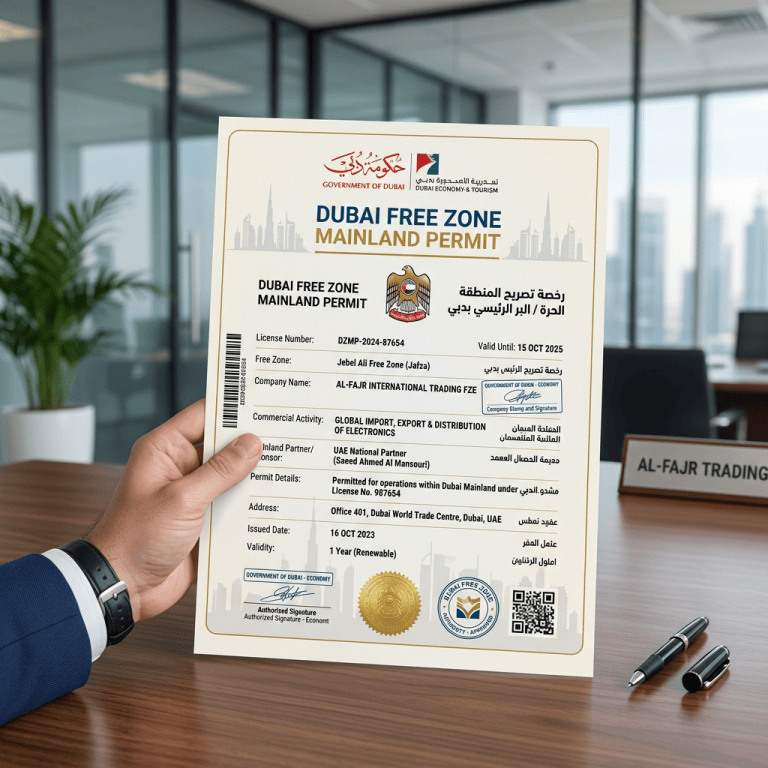
Since March 2025, freezone companies can legally sell to mainland UAE clients through a permit or dual licence — no mainland office required for most of them. What the three options cost and which one fits.

UAE offshore companies (RAK ICC, JAFZA, Ajman) can’t sponsor visas, trade locally, or lease office space. What they cost, what they’re for, and when to use a free zone instead.
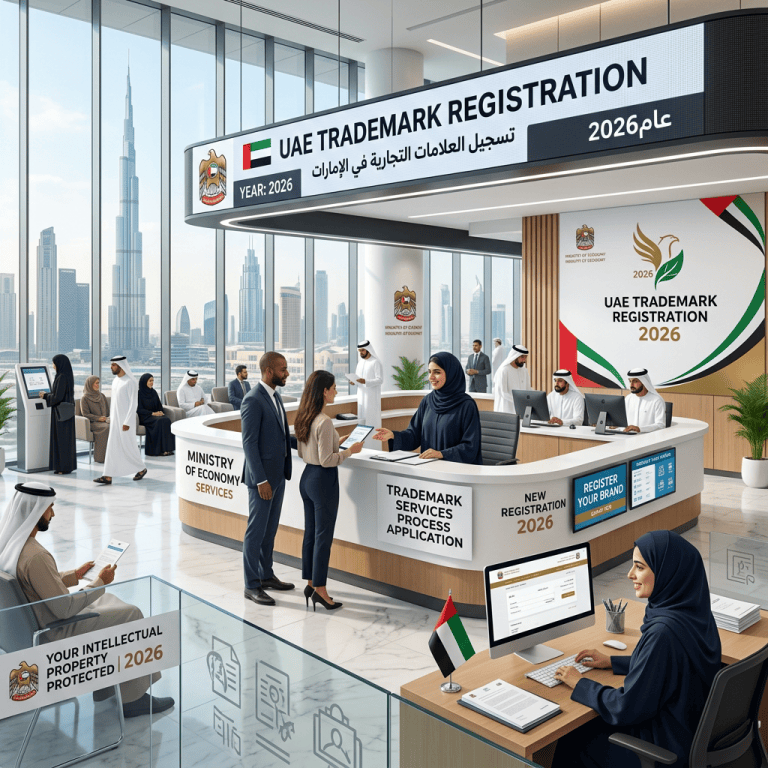
UAE trademark registration costs about AED 6,500 per class and takes 4-6 months. The clearance search, class selection, and renewal mistakes that catch founders out.

Register for UAE VAT late and you owe 5% on every sale since you should have registered — uncollected. The two threshold tests, deadlines and what late costs.

E-invoicing becomes mandatory in the UAE from 2027, with ASP deadlines starting October 2026. Plus record retention, audit triggers and the cash-basis exception

